I drive product decisions where product judgment and technical complexity meet.
Across B2B, data and enterprise products, I work from discovery and specification through launch and measurement, translating API, integration, and delivery constraints into clear product trade-offs.
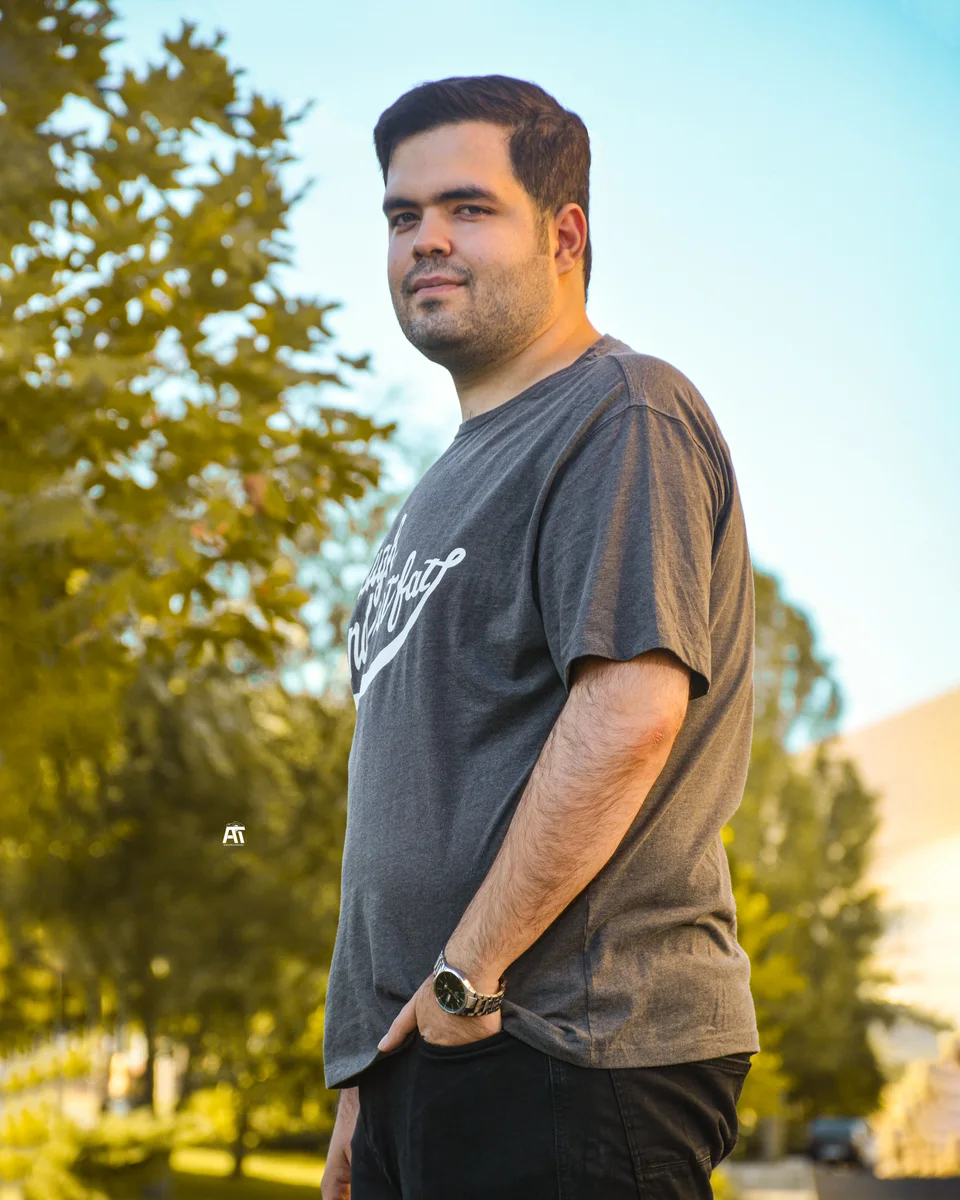
Selected product decisions and outcomes.
B2B measurement, launch and monetization, and enterprise delivery — focused on the decisions, constraints, and evidence behind the work.
WiseTrack — B2B Mobile Measurement & Analytics
B2B measurement product spanning discovery and specification through pilot validation, analytics scaling, integrations, and first paid adoption.
~10 pilot/onboarding apps · 1st paying client confirmed · 1.2s → 0.25s recorded API example
Sepas — From Prolonged Pre-launch to Public Release
Moved a prolonged pre-launch product into public release, behavioral measurement, monetization, and early market validation.
1,450 unique registered · 58 unique paying · IRR 22.1m recorded revenue snapshot
Houbad — Smart Ambulance MVP, Controlled Field Test & Technical Acceptance
Enterprise product case spanning smart-ambulance MVP scope, controlled field validation, and technical acceptance of confidential systems.
2 real ambulances in controlled EMS field test · 4 confidential systems under technical acceptance

Sobhan YazdanjooFrontend Developer · Smart Ambulance collaborator
“Alireza's technical background made communication with the development team much easier.”
Sobhan Yazdanjoo · Frontend Developer · Smart Ambulance collaborator
Pain · Proof · Investment.
A lightweight decision model for deciding what deserves further product and technical investment.
- 01
Pain
Understand the customer problem before choosing the feature or technology.
- 02
Proof
Ship the smallest credible solution that creates trustworthy behavioral or commercial evidence.
- 03
Investment
Use the evidence — including failed attempts — to justify deeper product or technical investment.
Two guardrails: failed attempts count as evidence, and claims stay within what was actually observed.
Technical depth in support of product judgment.
Selected AI, automation, and data work demonstrates implementation depth and feasibility judgment; the professional product cases above remain the primary portfolio.
AcuLearn — AI-Powered Course Advisor
AI-powered Telegram course advisor that interviews learners, assesses knowledge and goals, recommends a personalized module sequence, preserves context, and escalates unresolved cases to human support.
~500 starts · ~300 complete interviews · 3rd place · Bozhan educational product competition
IranArze — Automated Job Deadline Notification
End-to-end Telegram automation that extracts active opportunities, calculates Jalali deadlines, publishes a consolidated daily digest, and sends urgent reminders without routine manual content operations.
~500 members · ~2 months automated operation
Product judgment, made explicit.
Notes grounded in real cases, written to make the reasoning behind product decisions easier to inspect.
View all writingPilot Is Not Traction
Why pilot/onboarding evidence should remain distinct from paid adoption.
Data Semantics Is Product Design
Why metric meaning, attribution, and reporting definitions are part of the product.
Shipping as a Learning Strategy
How release and instrumentation can replace prolonged assumptions with behavioral evidence.
Need product judgment where technical complexity and ambiguity meet?
Review the selected cases or resume, then get in touch.